info@ccpeoplepharm.com
Matcha Powder: Production, Appearance, and Benefits
Matcha is a premium powdered green tea derived from shade-grown Camellia sinensis leaves, produced through meticulous traditional methods:
Shade Cultivation:
Tea plants are covered with 90% shade for 3–4 weeks before harvest to boost chlorophyll (up to 5x) and L-theanine content.
Only the youngest, most tender leaves (first flush) are handpicked in spring.
Steaming & Drying:
Leaves are briefly steamed (15–20 seconds) to halt oxidation, preserving vibrant color and nutrients.
Air-dried and destemmed to produce tencha (raw material for matcha).
Stone Grinding:
Tencha is slowly ground by granite stone mills (≤45°C) to a fine powder (5–10μm particles).
This slow process prevents heat damage, yielding 100% leaf utilization.
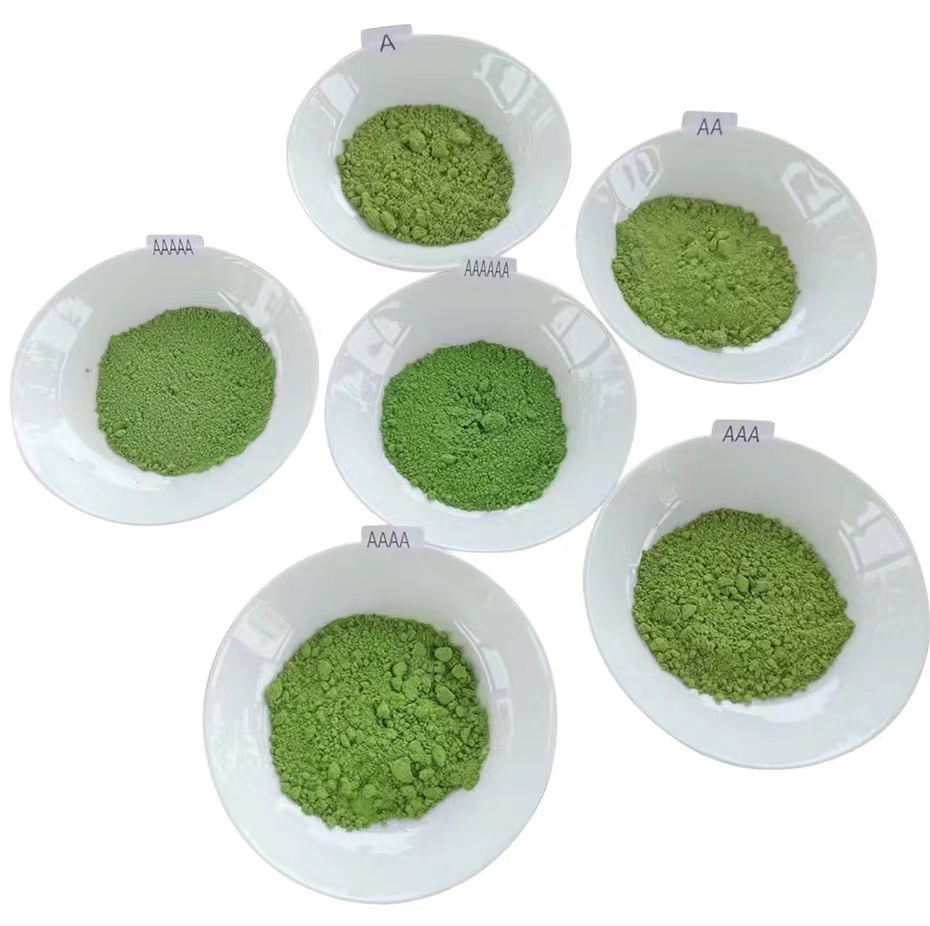
Grading & Packaging:
Sifted through fine mesh to ensure uniformity.
Stored in airtight, light-proof containers to protect freshness.
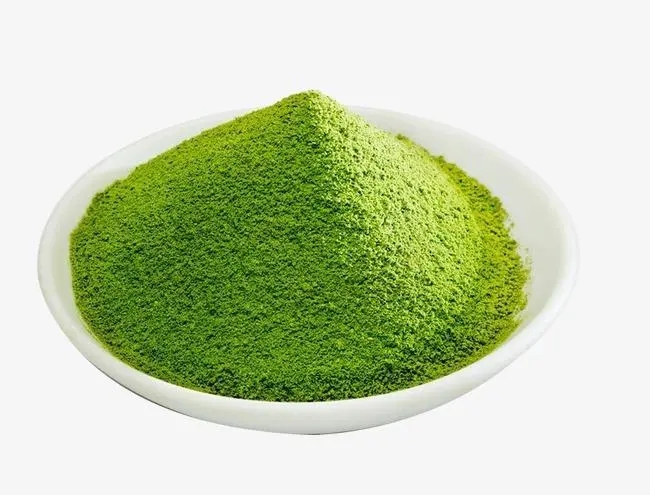
Color: Vibrant jade green (indicating high chlorophyll content).
Texture: Silky-smooth powder, finer than cornstarch (no grittiness).
Aroma: Fresh, vegetal, with sweet umami notes.
Taste: Creamy, slightly sweet, with lingering umami and no bitterness (when premium grade).
Solubility: Dissolves fully in water (unlike regular green tea powder).
Matcha’s unique shade-growing process concentrates bioactive compounds:
Sustained Energy & Focus:
L-theanine (20mg/g) promotes alpha-wave brain activity, enhancing calm alertness.
Combines with caffeine (35mg/g) for 4–6 hours of steady energy (no crash).
Antioxidant Powerhouse:
ORAC value 1,384 units/g (137x more than regular green tea).
EGCg (epigallocatechin gallate) levels are 3x higher than brewed tea.
Metabolic Support:
Increases thermogenesis by 35–40%, aiding weight management.
Regulates blood sugar (reduces insulin spikes by 25%).
Detoxification:
Chlorophyll binds to heavy metals and toxins for elimination.
Heart & Immune Health:
Lowers LDL cholesterol by 11% with daily consumption.
Catechins enhance immune cell activity.
Applications:
Traditional Tea: Whisked with hot water (1–2g/serving).
Smoothies & Lattes: Adds nutrient density without bitterness.
Baking/Cooking: Natural colorant and flavor enhancer.
Note: Ceremonial-grade matcha (brightest color, sweetest taste) is for drinking; culinary-grade is for cooking. Always choose Japanese-origin for authenticity.
Daily Dose: 1–2g (½–1 tsp) provides optimal benefits. The powder’s 100% bioavailability (since whole leaves are consumed) makes it superior to steeped tea.
Our company started to produce Traditional Chinese Medicinal (TCM) herbs and the related deep processing business in 1966. Located in Changchun City, Jilin Province, it is a high-tech enterprise integrating planting and sales of medicinal materials, production and sales of traditional Chinese medicine and traditional Chinese patent medicines and simple preparations, research and development of plant extracts, production and sales, and import and export trade. A new factory area covering 110000 square meters was ...[ read more ]