info@ccpeoplepharm.com
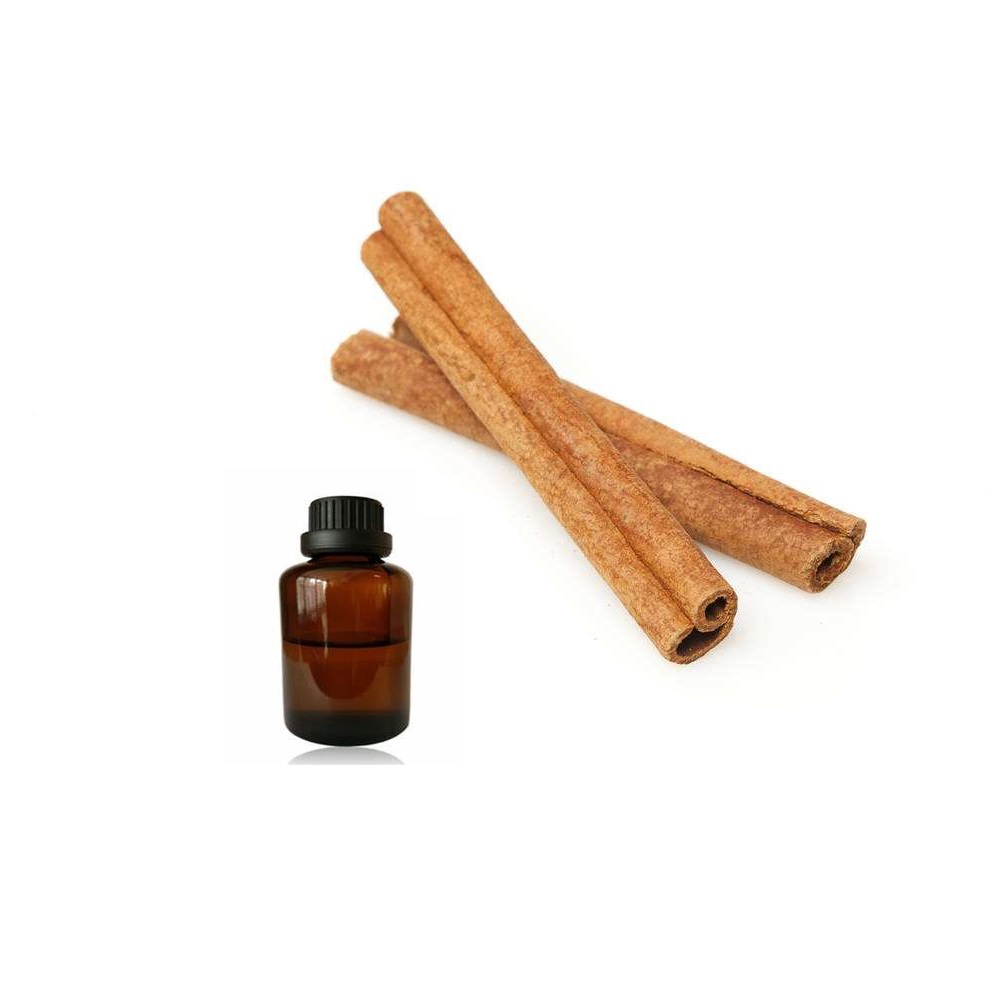
Cinnamon oil, extracted primarily from the bark or leaves of the Cinnamomum tree, is a potent essential oil celebrated for its warm, spicy aroma and powerful therapeutic properties. The two main types are cinnamon bark oil, which is stronger, and the milder cinnamon leaf oil. Its efficacy is largely due to its high concentration of cinnamaldehyde, a compound with robust biological activity.
The benefits of cinnamon oil are extensive. It is most renowned for its potent antimicrobial and antifungal properties, effectively inhibiting the growth of various bacteria, including E. coli and Salmonella, and fungi like Candida. This makes it a powerful natural preservative and cleaning agent. Furthermore, its strong anti-inflammatory effects can help soothe muscle aches, joint pain, and stiffness. For digestive health, it may provide relief from bloating and indigestion. Some studies also suggest it can help regulate blood sugar levels by improving insulin sensitivity.
In application, cinnamon oil must be used with caution due to its potential to cause skin irritation. It should always be heavily diluted with a carrier oil before topical use for massage or to treat localized infections. Its warming nature makes it a popular ingredient in natural pain relief blends. As a flavoring agent, it is used in minute quantities in food and beverages. Diffusing the oil can purify the air, boost alertness, and create a comforting atmosphere. A critical safety note: it is not recommended for internal use without the guidance of a healthcare professional.
Our company started to produce Traditional Chinese Medicinal (TCM) herbs and the related deep processing business in 1966. Located in Changchun City, Jilin Province, it is a high-tech enterprise integrating planting and sales of medicinal materials, production and sales of traditional Chinese medicine and traditional Chinese patent medicines and simple preparations, research and development of plant extracts, production and sales, and import and export trade. A new factory area covering 110000 square meters was ...[ read more ]