info@ccpeoplepharm.com

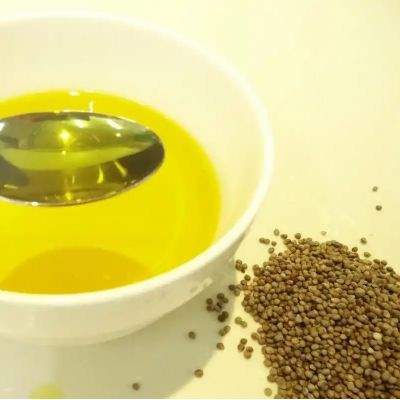
Camellia oil is exceptionally rich in unsaturated fatty acids, which make up over 85% of its content . The dominant fatty acid is oleic acid, a heart-healthy monounsaturated fat that typically accounts for 60% to 83% of the oil's total fatty acids . This gives camellia oil a fatty acid profile remarkably similar to that of olive oil.
Beyond its primary fatty acids, camellia oil is packed with valuable minor components that contribute to its health-promoting properties :
Vitamin E (α-Tocopherol): A powerful antioxidant that helps protect cells from damage .
Squalene: A notable bioactive compound with antioxidant properties; its content can vary significantly depending on the cultivar and origin .
Phytosterols (e.g., β-Sitosterol): Plant compounds known to help lower LDL ("bad") cholesterol levels .
Polyphenols and Flavonoids: These compounds contribute significantly to the oil's antioxidant capacity and overall health benefits .
The unique blend of oleic acid and powerful antioxidants gives camellia oil a wide range of potential health benefits .
Cardiovascular Health: The high oleic acid content supports heart health, and the presence of phytosterols aids in managing healthy cholesterol levels . Its anti-inflammatory and antioxidant properties also contribute to overall cardiovascular well-being .
Antioxidant and Anti-inflammatory Effects: Camellia oil exhibits strong antioxidant activity, largely driven by its phenolic compounds and other bioactive metabolites . This helps combat oxidative stress and systemic inflammation .
Skin Health and Wound Healing: Emerging research suggests camellia oil may help improve skin conditions like atopic dermatitis due to its anti-inflammatory potential . It is also a common ingredient in cosmetics for its skin-nourishing properties.
Other Potential Benefits: Studies have explored its therapeutic potential for conditions like Alzheimer's disease and its hepatoprotective (liver-protecting) and gastroprotective effects .
Our company started to produce Traditional Chinese Medicinal (TCM) herbs and the related deep processing business in 1966. Located in Changchun City, Jilin Province, it is a high-tech enterprise integrating planting and sales of medicinal materials, production and sales of traditional Chinese medicine and traditional Chinese patent medicines and simple preparations, research and development of plant extracts, production and sales, and import and export trade. A new factory area covering 110000 square meters was ...[ read more ]