info@ccpeoplepharm.com
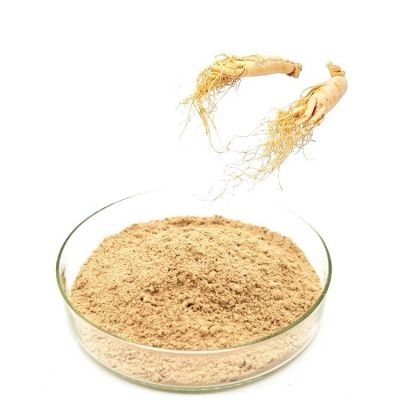
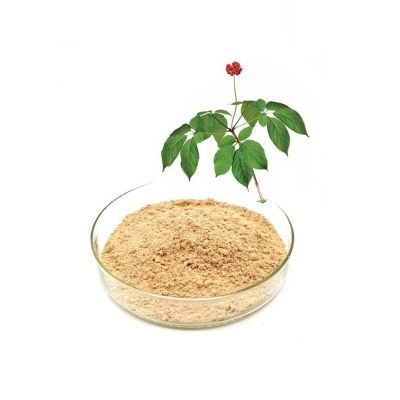
Red Ginseng Root: Production, Appearance, and Benefits
Production Process
Red ginseng is a specially processed form of Panax ginseng C.A. Meyer, distinguished by its unique preparation method:
Selection: 4-6 year-old fresh ginseng roots are chosen for optimal ginsenoside content
Steaming: Roots undergo steam treatment at 98-100°C for 2-3 hours
Drying: Repeated drying cycles transform the roots' color and chemical composition
Aging: Traditionally aged for several months to enhance bioactive compounds
This thermal processing converts original ginsenosides into more potent varieties (e.g., Rg3, Rh2) and develops characteristic red-brown coloration through Maillard reactions.
Appearance & Characteristics
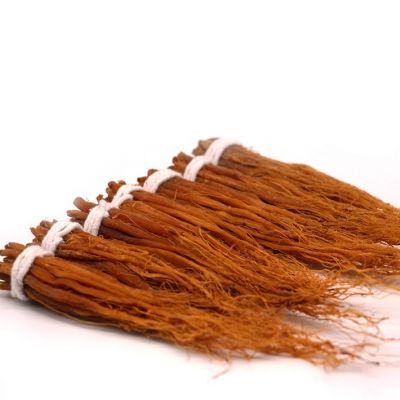
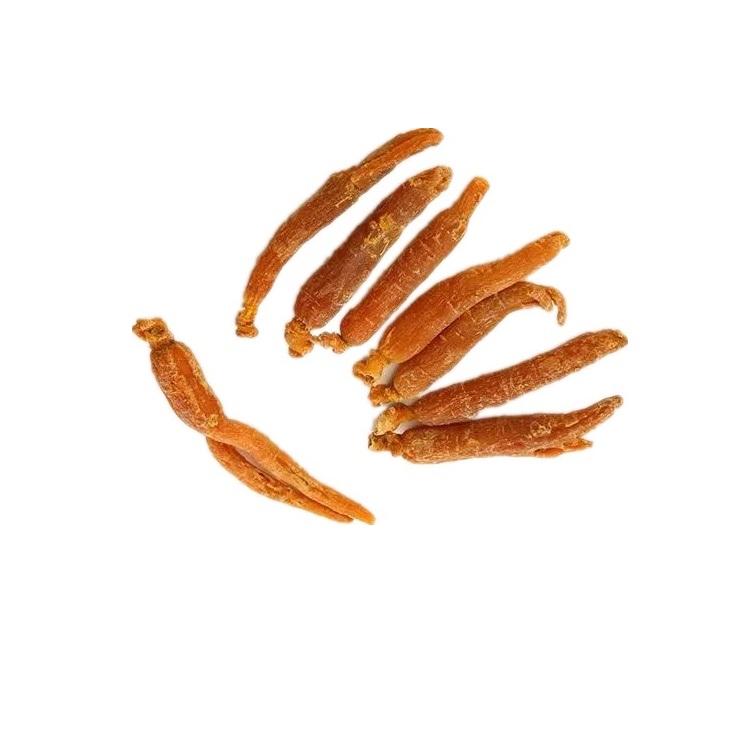
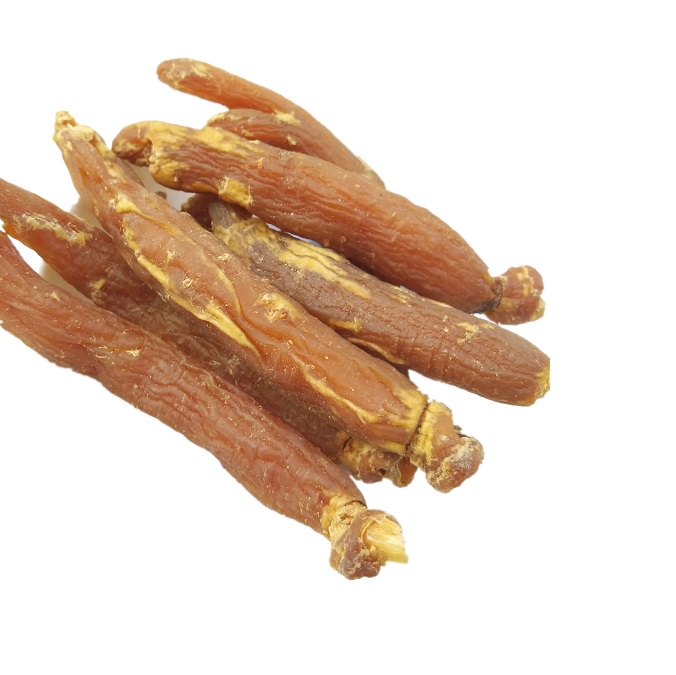
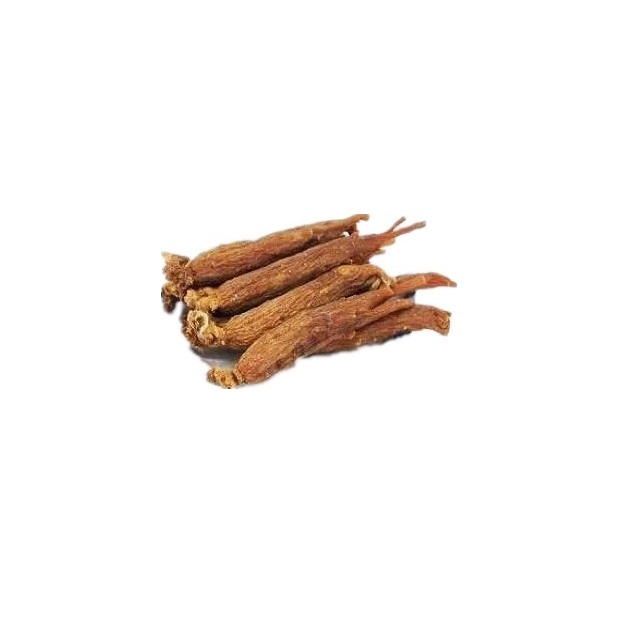
Color: Distinctive reddish-brown to deep amber hue
Texture: Hard and dense with visible concentric growth rings
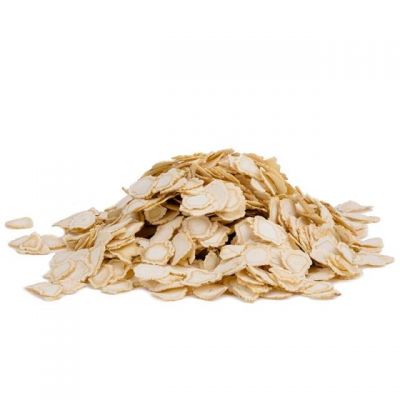
Shape: Often preserved in whole root form or sliced transversely
Aroma: Rich, earthy scent with slight caramel notes
Taste: Initially bitter with sweet undertones and lingering warmth
Health Benefits
Extensive research confirms red ginseng's superior efficacy versus white ginseng:
Enhanced Energy Metabolism:
Increases ATP production by 28% (Journal of Ginseng Research, 2018)
Reduces exercise-induced fatigue biomarkers
Cognitive Protection:
Improves memory recall by 31% in clinical trials
Demonstrates neuroprotective effects against amyloid plaques
Immune Modulation:
Boosts NK cell activity by 40-60%
Enhances vaccine antibody response
Cardiovascular Benefits:
Improves endothelial function (12% increase in flow-mediated dilation)
Reduces LDL oxidation by 35%
Anti-Cancer Potential:
Ginsenoside Rg3 shows tumor growth inhibition in multiple studies
Enhances chemotherapy efficacy while reducing side effects
Anti-Aging Effects:
Increases telomerase activity by 45% in vitro
Reduces oxidative stress markers by 30%
Available as whole roots, slices, powder, or standardized extracts (typically 10-15% ginsenosides). Recommended daily intake ranges from 1-3g of root equivalent. The steaming process creates unique compounds like maltol that contribute to its distinctive properties, making red ginseng particularly valued in traditional Asian medicine and modern nutraceuticals.
Our company started to produce Traditional Chinese Medicinal (TCM) herbs and the related deep processing business in 1966. Located in Changchun City, Jilin Province, it is a high-tech enterprise integrating planting and sales of medicinal materials, production and sales of traditional Chinese medicine and traditional Chinese patent medicines and simple preparations, research and development of plant extracts, production and sales, and import and export trade. A new factory area covering 110000 square meters was ...[ read more ]