info@ccpeoplepharm.com
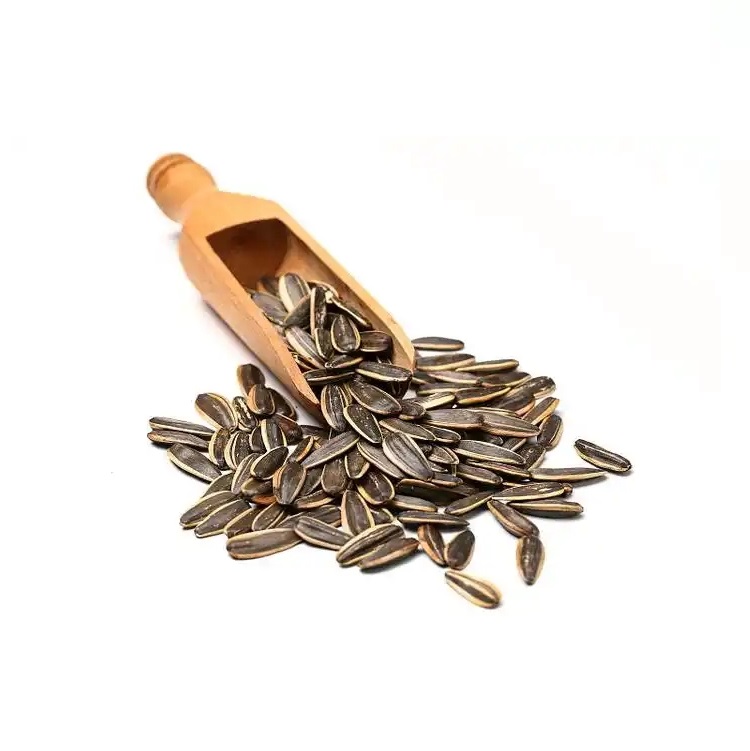
Sunflower Seeds: A Nutritious and Versatile Snack
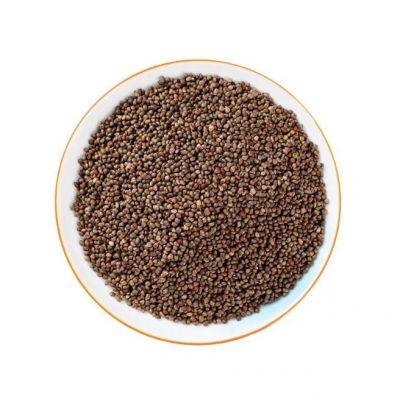
Sunflower seeds are the edible seeds harvested from the large flower heads of the sunflower plant (Helianthus annuus). These small, teardrop-shaped seeds are encased in black-and-white striped shells, which are often removed before eating. Known for their mild, nutty flavor, sunflower seeds are a popular snack and ingredient worldwide.
Sunflower seeds are highly nutritious, packed with healthy fats, protein, fiber, vitamins, and minerals. They are an excellent source of vitamin E, a powerful antioxidant that supports skin health and immunity. Additionally, they provide essential minerals like magnesium, selenium, and zinc, which contribute to heart health, thyroid function, and metabolism. Their high unsaturated fat content, including linoleic acid (an omega-6 fatty acid), promotes cardiovascular health.
Sunflower seeds can be eaten raw, roasted, or salted. They are commonly added to salads, granola, yogurt, and baked goods like bread and muffins. Sunflower seed butter serves as a nut-free alternative to peanut butter. The seeds can also be sprouted for added nutrition or pressed to produce sunflower oil, a popular cooking oil.
While sunflower seeds are healthy, moderation is key due to their calorie density. Some commercial varieties may contain high sodium levels, so unsalted options are preferable for a balanced diet.
In summary, sunflower seeds are a delicious, nutrient-rich snack that supports overall wellness while offering culinary versatility. Whether enjoyed on their own or as part of a dish, they make a wholesome addition to any diet.
Our company started to produce Traditional Chinese Medicinal (TCM) herbs and the related deep processing business in 1966. Located in Changchun City, Jilin Province, it is a high-tech enterprise integrating planting and sales of medicinal materials, production and sales of traditional Chinese medicine and traditional Chinese patent medicines and simple preparations, research and development of plant extracts, production and sales, and import and export trade. A new factory area covering 110000 square meters was ...[ read more ]