info@ccpeoplepharm.com
Marigold Extract: Production, Appearance, and Benefits
Marigold extract, derived from Tagetes erecta petals, is valued for its high lutein and zeaxanthin content. The production involves:
Cultivation & Harvesting:
Marigold flowers are grown in pesticide-free fields and handpicked at full bloom for peak carotenoid content (15–20 mg/g petals).
Processing:
Drying: Petals are shade-dried (<40°C) to preserve heat-sensitive compounds.
Solvent Extraction: Ethanol or hexane isolates lutein esters (60–80% purity).
Saponification: Alkaline hydrolysis converts esters to free lutein (≥90% purity).
Standardization: Blended with oils (e.g., safflower) for stability, yielding 5–20% lutein concentrates.
Formulation:
Water-dispersible powders are created via microencapsulation (starch/gum arabic).
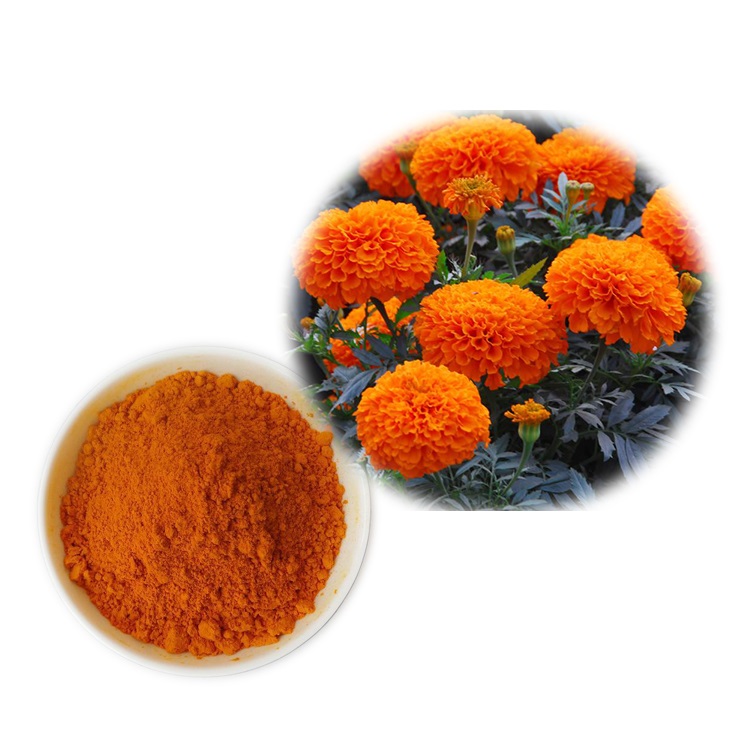
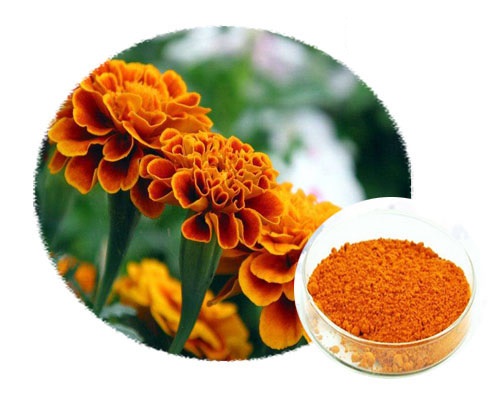
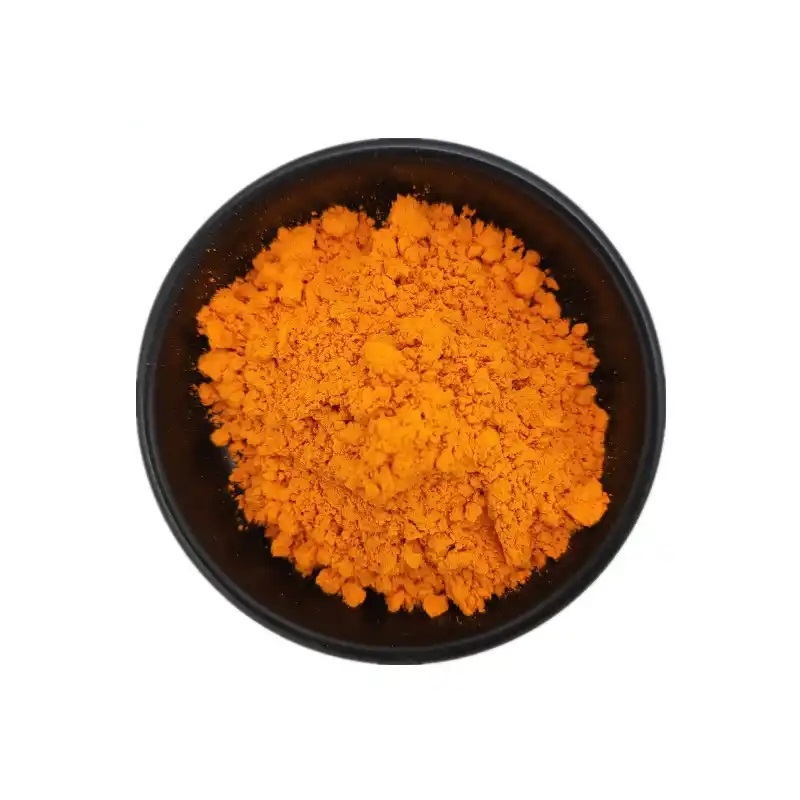
Color: Golden-yellow to orange powder or viscous oil (depending on form).
Odor: Mild, floral aroma; negligible taste in purified forms.
Solubility: Oil-soluble (oleoresin) or water-dispersible (encapsulated powder).
Stability: Sensitive to UV light; often packaged in opaque containers.
Marigold extract is clinically proven for:
Eye Health:
Reduces age-related macular degeneration (AMD) risk by 40% (AREDS2 Study).
Filters blue light, decreasing digital eye strain.
Skin Protection:
Boosts skin hydration and UV defense (oral/topical use).
Reduces oxidative stress markers by 30%.
Anti-Inflammatory Effects:
Lowers CRP levels in chronic inflammation.
Cognitive Support:
Linked to improved memory in elderly populations.
Applications:
Supplements: Softgels (10–20 mg lutein/day).
Food Fortification: Infant formula, beverages.
Cosmetics: Anti-aging creams.
Note: Synergistic with zeaxanthin (5:1 ratio optimal for eye health).
Our company started to produce Traditional Chinese Medicinal (TCM) herbs and the related deep processing business in 1966. Located in Changchun City, Jilin Province, it is a high-tech enterprise integrating planting and sales of medicinal materials, production and sales of traditional Chinese medicine and traditional Chinese patent medicines and simple preparations, research and development of plant extracts, production and sales, and import and export trade. A new factory area covering 110000 square meters was ...[ read more ]