info@ccpeoplepharm.com
Ascorbic Acid Coated: English Description
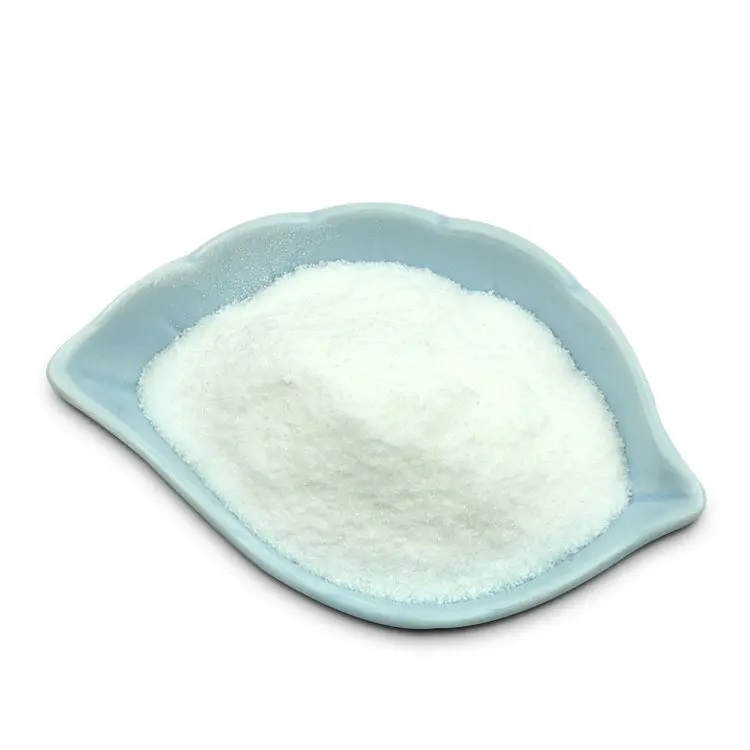
Ascorbic acid coated refers to a form of vitamin C (ascorbic acid) that has been encapsulated or layered with a protective coating to enhance stability, improve absorption, and reduce gastrointestinal irritation. This coating is typically made from pH-sensitive polymers, lipids, or other biocompatible materials that control the release of ascorbic acid in the body.
Enhanced Stability – The coating protects ascorbic acid from oxidation, moisture, and light, extending shelf life.
Controlled Release – The coating ensures gradual absorption, maintaining optimal blood levels of vitamin C for longer periods.
Gentler on Stomach – Uncoated ascorbic acid can cause acidity or irritation; the coating minimizes these side effects.
Improved Bioavailability – Some coatings enhance absorption in the intestines, increasing effectiveness.
Dietary Supplements – Used in tablets, capsules, or chewables for better tolerability.
Fortified Foods & Beverages – Protects vitamin C from degradation in processed products.
Pharmaceuticals – Employed in timed-release or buffered vitamin C formulations.
Common coatings include ethyl cellulose, shellac, or plant-based lipids. Enteric coatings (e.g., Eudragit) resist stomach acid, releasing vitamin C in the intestines.
Coated ascorbic acid offers a superior alternative to plain vitamin C, combining stability, efficacy, and user comfort—ideal for supplements and functional foods.
Our company started to produce Traditional Chinese Medicinal (TCM) herbs and the related deep processing business in 1966. Located in Changchun City, Jilin Province, it is a high-tech enterprise integrating planting and sales of medicinal materials, production and sales of traditional Chinese medicine and traditional Chinese patent medicines and simple preparations, research and development of plant extracts, production and sales, and import and export trade. A new factory area covering 110000 square meters was ...[ read more ]