info@ccpeoplepharm.com
Siberian Ginseng (Acanthopanax) Extract
Siberian Ginseng (Acanthopanax senticosus) Extract: Production, Appearance, and Benefits
Siberian Ginseng extract is derived from the roots, stems, or leaves of Acanthopanax senticosus, a hardy shrub native to Northeast Asia. The production involves:
Cultivation & Harvesting:
Plants are grown for 3–5 years in cold climates to maximize active compounds (eleutherosides, polysaccharides).
Roots/stems are harvested in autumn when bioactive content peaks.
Processing:
Cleaning & Slicing: Raw materials are washed, dried, and cut to enhance extraction efficiency.
Extraction: Ethanol/water (60–70%) extracts eleutherosides and polysaccharides.
Concentration: Low-temperature vacuum evaporation preserves potency.
Standardization: Adjusted to contain 0.8–1.2% eleutherosides for consistency.
Forms:
Liquid extract (dark amber, viscous).
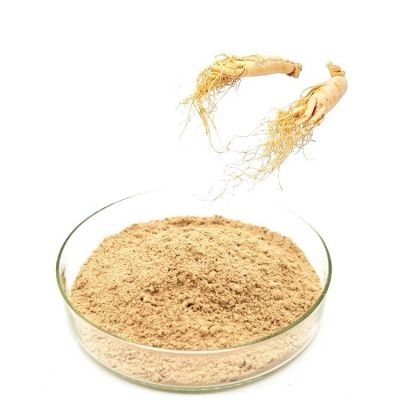
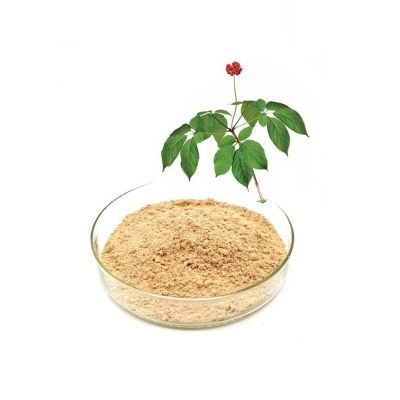
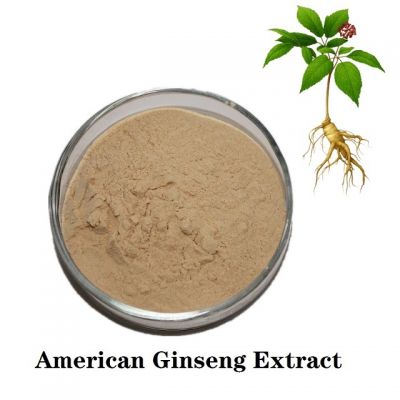
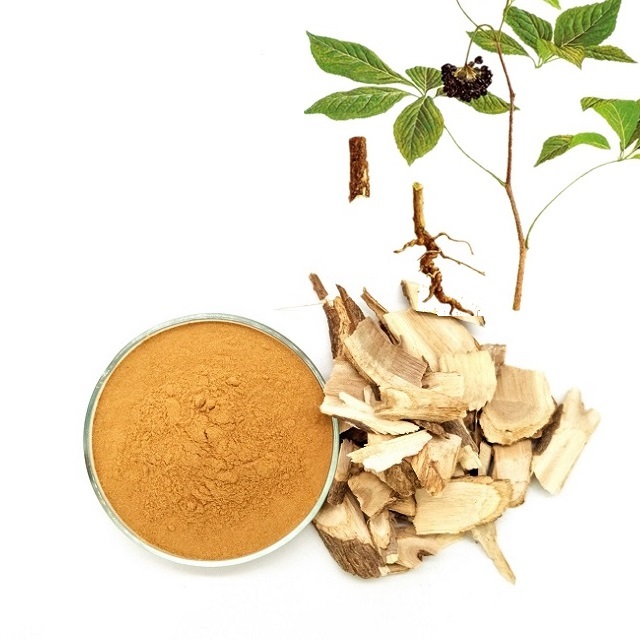
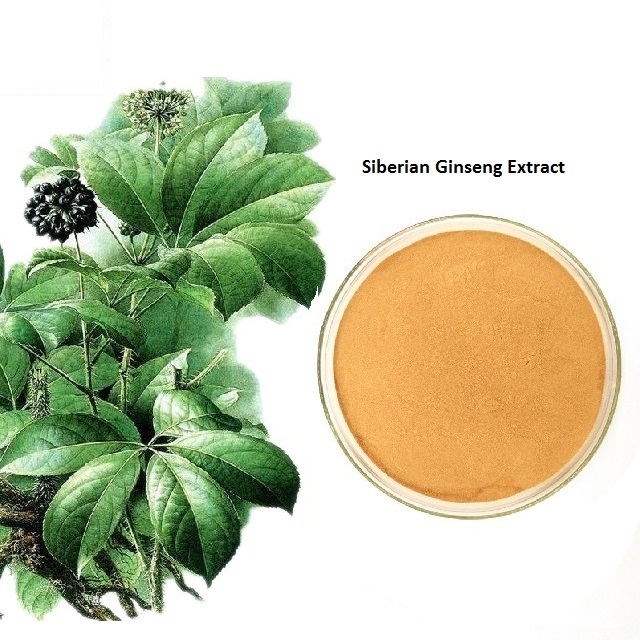
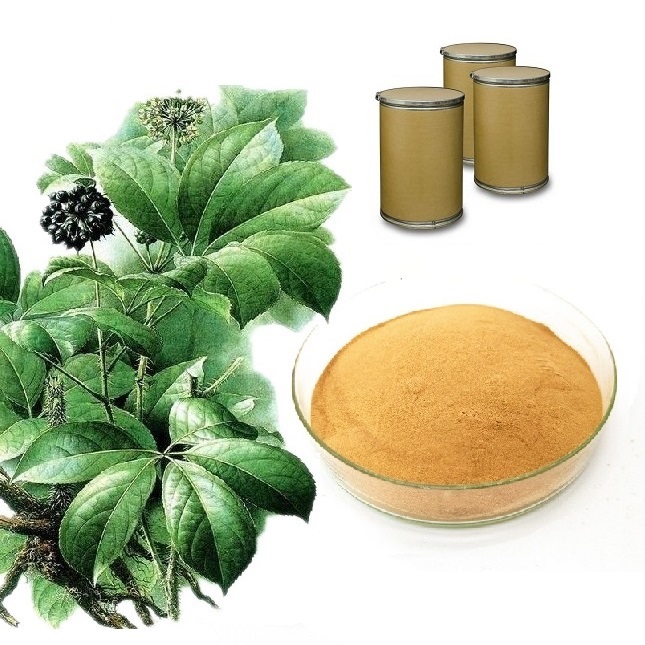
Powder (fine, beige to light brown).
Capsules/tablets for supplements.
Color:
Liquid: Deep amber to reddish-brown.
Powder: Beige or light brown.
Taste/Aroma: Bitter, woody, with a slightly sweet aftertaste.
Solubility: Miscible in water/alcohol (liquid); water-soluble (powder).
Clinically studied for its adaptogenic properties:
Stress & Fatigue Reduction:
Lowers cortisol by 30% and enhances endurance (Journal of Ethnopharmacology).
Improves physical stamina in athletes.
Immune Support:
Boosts NK cell activity by 40–60%.
Enhances resistance to infections.
Cognitive Function:
Improves focus and memory in chronic fatigue patients.
Cardiovascular Health:
Regulates blood pressure and improves circulation.
Metabolic Benefits:
Supports blood sugar balance and liver detoxification.
Applications:
Supplements: Capsules (300–500 mg/day).
Functional Foods: Energy drinks, tonics.
Traditional Use: Adaptogenic tea blends.
Note: Combines well with Rhodiola or Panax ginseng for synergistic effects.
Our company started to produce Traditional Chinese Medicinal (TCM) herbs and the related deep processing business in 1966. Located in Changchun City, Jilin Province, it is a high-tech enterprise integrating planting and sales of medicinal materials, production and sales of traditional Chinese medicine and traditional Chinese patent medicines and simple preparations, research and development of plant extracts, production and sales, and import and export trade. A new factory area covering 110000 square meters was ...[ read more ]