info@ccpeoplepharm.com
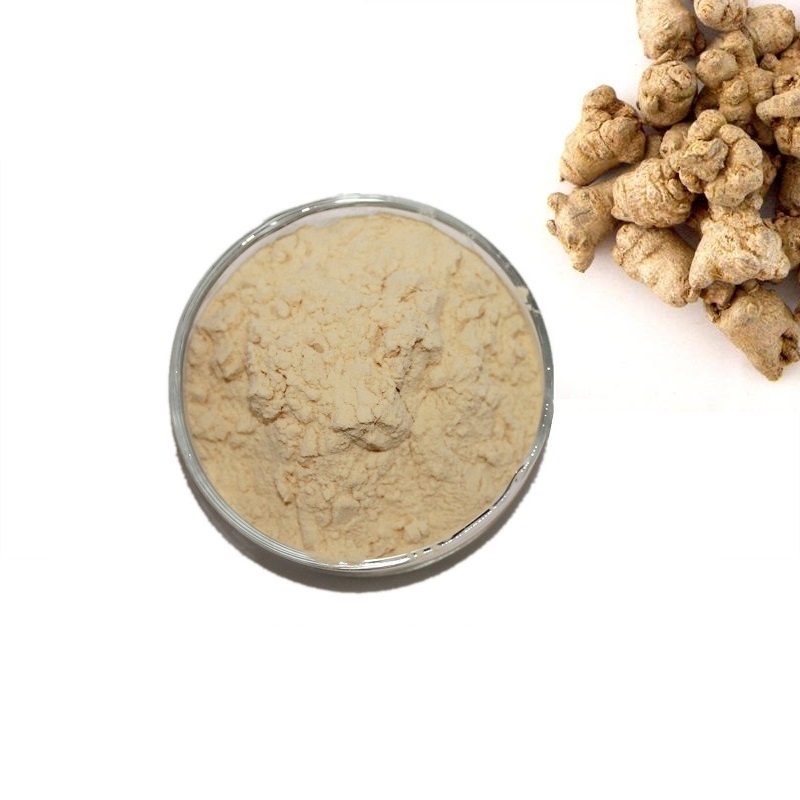
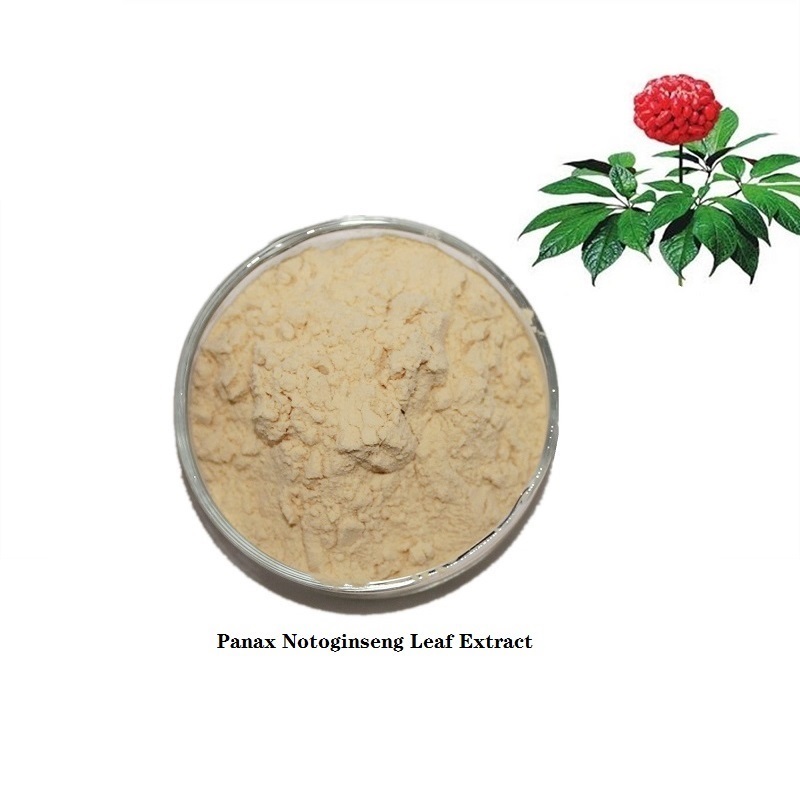
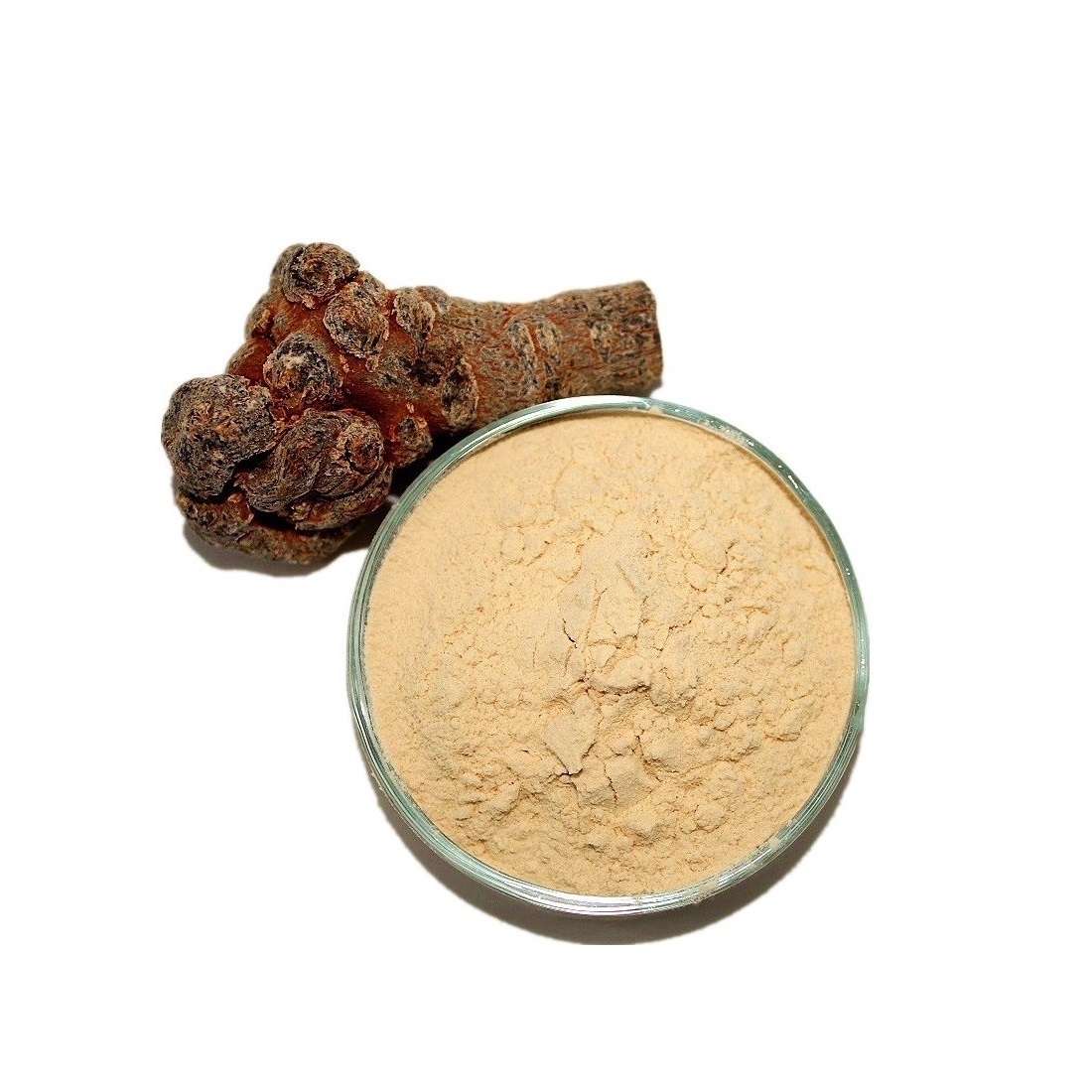
Notoginseng Extract
Notoginseng (Panax notoginseng) Extract: Production, Appearance, and Benefits
Notoginseng extract is derived from the roots of Panax notoginseng, a prized medicinal plant in traditional Chinese medicine. The production involves:
Cultivation & Harvesting:
Grown for 3–7 years in Yunnan, China, at high altitudes (1,200–1,800m) for optimal saponin content.
Roots are hand-harvested in autumn, graded by size and quality.
Processing:
Cleaning & Slicing: Roots are washed, sun-dried, and cut into thin slices or powder.
Extraction:
Water Extraction: For polysaccharides and amino acids.
Ethanol Extraction: Concentrates ginsenosides (Rb1, Rg1, Rd).
Purification: Macroporous resin chromatography isolates target compounds (e.g., notoginsenoside R1).
Standardization: Adjusted to 5–10% total saponins for potency.
Forms:
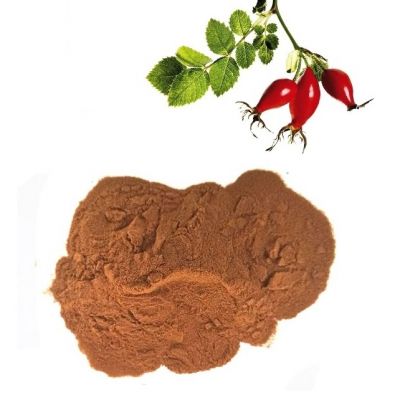
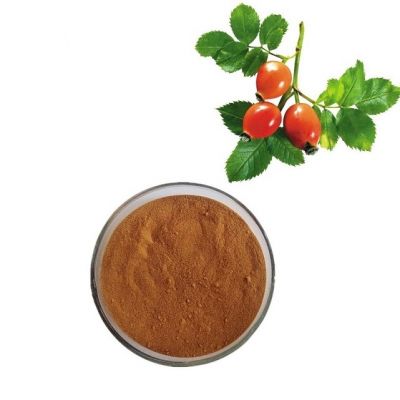
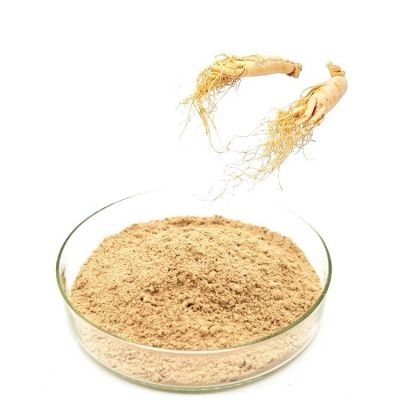
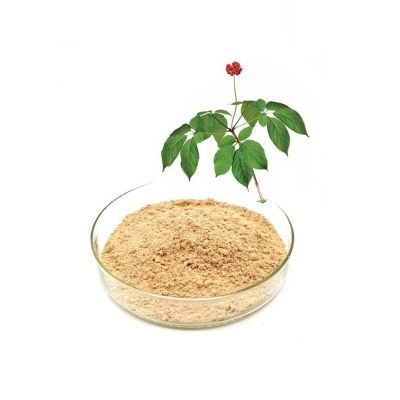
Brownish-red powder (spray-dried).
Liquid extract (dark amber).
Capsules/tablets.
Color:
Powder: Light brown to reddish-tan.
Liquid: Deep amber with reddish tint.
Taste: Bitter initially, with a lingering sweet aftertaste.
Solubility: Water-soluble (powder); alcohol-soluble (liquid).
Renowned as "the king of hemostatics" in TCM, its bioactive compounds (ginsenosides, notoginsenosides) offer:
Circulatory Health:
Stops bleeding and promotes wound healing (used post-surgery in China).
Reduces blood viscosity, improving microcirculation.
Cardiovascular Protection:
Lowers LDL cholesterol by 20–25% (Journal of Functional Foods).
Inhibits platelet aggregation, reducing thrombosis risk.
Anti-Inflammatory & Pain Relief:
Effective for traumatic swelling and arthritis pain.
Neuroprotection:
Ginsenoside Rb1 enhances memory and protects against Alzheimer’s.
Metabolic Support:
Regulates blood sugar and reduces insulin resistance.
Applications:
Hemostatic agents: In trauma medicine.
Supplements: 100–500 mg/day for circulation.
Cosmeceuticals: Wound-healing creams.
Note: Often combined with Salvia miltiorrhiza (Danshen) for synergistic cardiovascular effects.
Our company started to produce Traditional Chinese Medicinal (TCM) herbs and the related deep processing business in 1966. Located in Changchun City, Jilin Province, it is a high-tech enterprise integrating planting and sales of medicinal materials, production and sales of traditional Chinese medicine and traditional Chinese patent medicines and simple preparations, research and development of plant extracts, production and sales, and import and export trade. A new factory area covering 110000 square meters was ...[ read more ]