info@ccpeoplepharm.com
Tomato Extract (Lycopene)
Lycopene: Production, Appearance, and Benefits
Lycopene, a potent carotenoid pigment, is primarily extracted from tomato (Solanum lycopersicum) or other red fruits through advanced methods:
Source Selection:
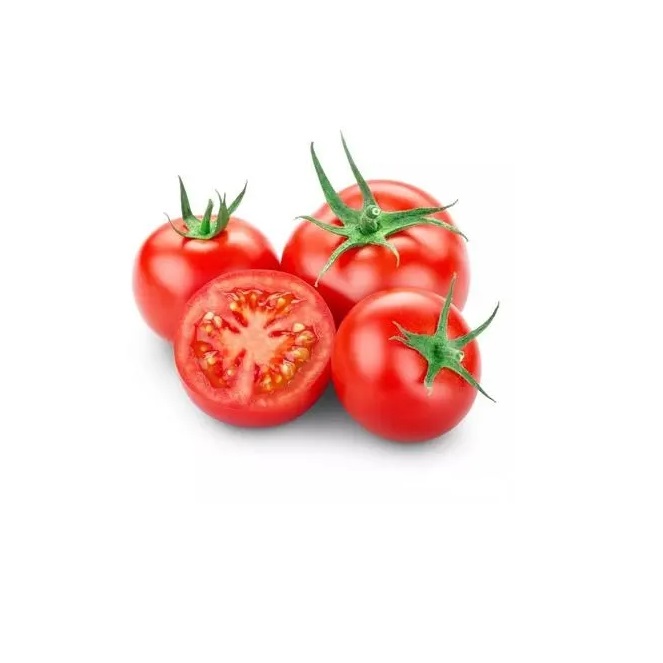
Ripe tomatoes, watermelon, or guava are used, with tomato pomace (skins/seeds) being the most common industrial source.
High-lycopene tomato varieties (≥30mg/100g) are preferred.
Extraction Methods:
Supercritical CO₂ Extraction: Uses pressurized CO₂ (300-500 bar) for solvent-free, high-purity isolation (≥95% lycopene).
Ethanol/Hexane Extraction: Traditional method with subsequent purification to remove residues.
Fermentation: Microbial biosynthesis (e.g., Blakeslea trispora) for allergen-free lycopene.
Purification & Standardization:
Crystallization removes impurities, yielding 10-20% lycopene oleoresin or 5-10% water-dispersible powder.
Often standardized to 5-20% lycopene content for supplements.
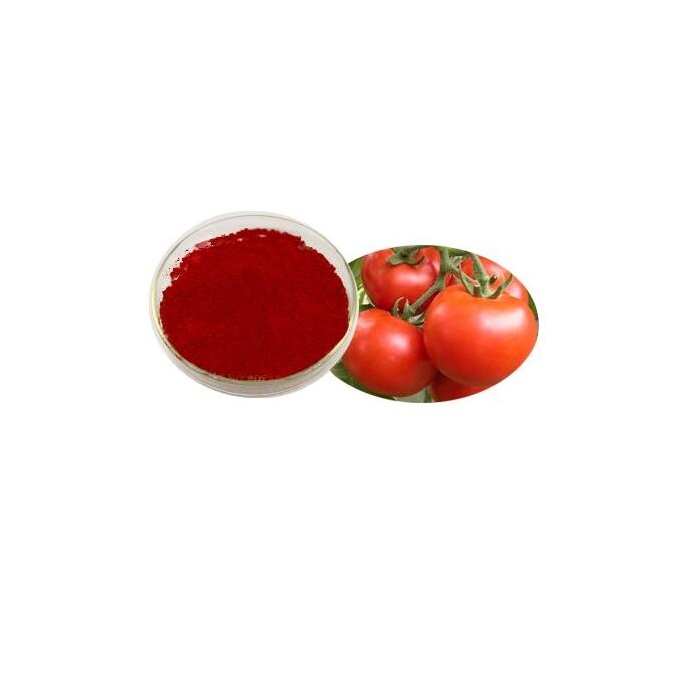
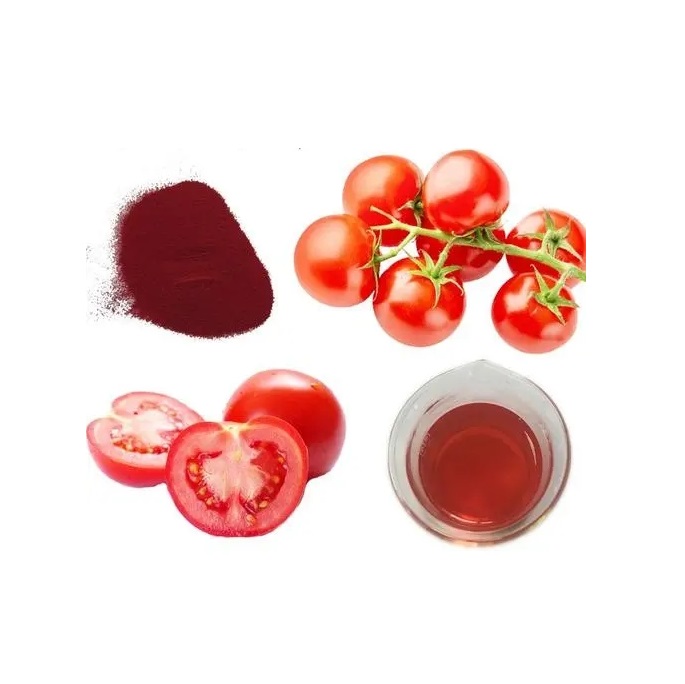
Color: Deep red crystalline powder (pure form) or reddish-brown oleoresin (oil-soluble).
Solubility: Insoluble in water; soluble in oils (e.g., olive oil) or organic solvents.
Stability: Sensitive to light/oxygen; often microencapsulated or blended with antioxidants (e.g., vitamin E) for stabilization.
Odor/Taste: Mildly earthy in pure form; odorless in encapsulated supplements.
Lycopene’s strong antioxidant properties (100x more potent than vitamin E) offer evidence-backed benefits:
Cardiovascular Protection:
Reduces LDL oxidation by 40% and improves arterial flexibility.
Linked to 17% lower stroke risk (meta-analysis of 12 studies).
Cancer Prevention:
Prostate cancer: 25% risk reduction with high dietary intake (Journal of Nutrition).
Breast/lung cancer: Inhibits tumor growth via anti-angiogenic effects.
Skin Health:
Oral intake decreases UV-induced erythema by 50%.
Boosts collagen density and reduces wrinkles.
Eye Protection:
Lowers cataract risk by 30% and slows AMD progression.
Anti-Inflammatory Effects:
Reduces CRP and IL-6 levels in chronic inflammation.
Applications: Used in supplements (softgels, tablets), fortified foods (juices, dairy), and cosmetics (anti-aging serums). Recommended intake: 6–30 mg/day. Unlike beta-carotene, lycopene lacks pro-vitamin A activity but excels in quenching singlet oxygen radicals.
Note: Enhanced absorption when consumed with fats (e.g., olive oil) due to lipophilicity.
Our company started to produce Traditional Chinese Medicinal (TCM) herbs and the related deep processing business in 1966. Located in Changchun City, Jilin Province, it is a high-tech enterprise integrating planting and sales of medicinal materials, production and sales of traditional Chinese medicine and traditional Chinese patent medicines and simple preparations, research and development of plant extracts, production and sales, and import and export trade. A new factory area covering 110000 square meters was ...[ read more ]